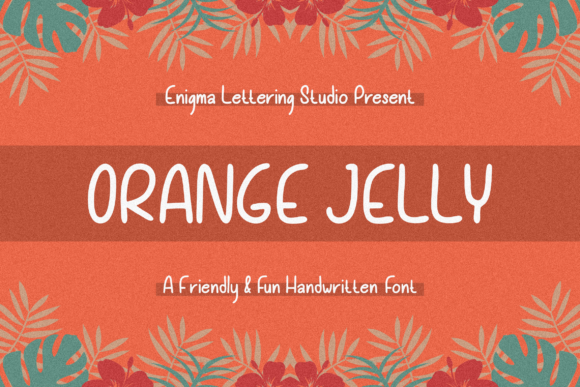
Orange Jelly: A Friendly Handwritten Font for Web Design
I was working on a new boutique website last week, and I needed something playful yet professional for the hero section. After some testing, I landed on Orange Jelly, a friendly, cute, and informal handwritten font from Script Amp. It felt like the perfect match for the brand’s personality—warm, approachable, and full of character.
Orange Jelly immediately stood out with its soft curves and casual feel. It reminded me of a handwritten note you might find tucked inside a gift box or pinned to a bulletin board. This font isn’t just decorative; it brings emotion and charm into digital spaces where it matters most.
Bringing Personality to Digital Spaces
As a web designer, I know that typography can make or break a user’s first impression. Orange Jelly has this unique ability to create a welcoming vibe without feeling too over-the-top. When placed in a hero section, it draws attention naturally, making headlines and taglines feel more personal.
I tested it on a product landing page for a handmade candle shop. The headline “Light Up Your Day” in Orange Jelly instantly felt more inviting than any standard sans serif font. It added a sense of warmth and authenticity that matched the brand’s aesthetic perfectly.
But it wasn’t just about aesthetics. I also considered how well it performed on mobile screens. Orange Jelly maintained its legibility even when scaled down, which is crucial for responsive design. It didn’t get too cramped or lose its visual appeal, which made it a solid choice for buttons and call-to-action sections as well.
Where Orange Jelly Shines Online
Orange Jelly works best in short phrases and display text rather than long paragraphs. I found it especially effective for:
- Hero section headlines – Its boldness and readability make it ideal for grabbing attention at first glance.
- Call-to-action buttons – The friendly tone encourages clicks without being too casual.
- Logo text – It adds a personalized touch to logos, especially for creative or lifestyle brands.
- Boutique shop banners – It complements handcrafted products and helps reinforce a brand’s identity.
- Digital ads and promotional graphics – Its whimsical style stands out against clean backgrounds or images.
However, I noticed that using it for long body copy or small navigation text could be problematic. The font’s decorative nature doesn’t suit dense blocks of text or tiny interfaces. That’s why pairing it with a clean sans serif font like Montserrat or Lato is key for maintaining readability and balance across the site.
Designing with Orange Jelly in Mind
When designing with Orange Jelly, I always consider the context. For instance, using it on a dark background required adjusting the color contrast to ensure readability. I also experimented with different weights and styles included in the font family to add subtle variations across the layout.
Another thing to keep in mind is checking for webfont availability and ensuring that all necessary characters are covered, especially if your site supports multiple languages. Commercial licensing is also important if you’re planning to use the font on client projects, online stores, or branded assets.
For those looking to elevate their web design with a bit of character, Orange Jelly is worth exploring. It offers a fresh take on modern typography, blending creativity with practicality in a way that feels both authentic and professional.
Whether you're building a portfolio, launching an online store, or redesigning a blog, Orange Jelly can help you stand out while keeping your brand voice consistent. Just remember to pair it wisely and use it where it can shine brightest—on display text, headings, and anywhere a little personality can go a long way.